The be all and the end all
Unlocking the value of heritage for local economies
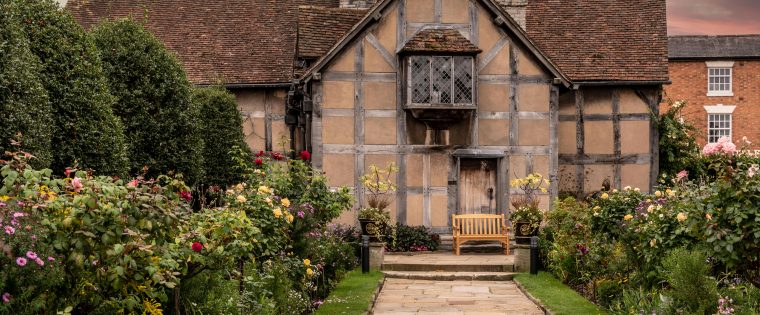
“The be all and the end all” is a new Localis research programme, undertaken in partnership with the Shakespeare Birthplace Trust and Stratford-on-Avon District Council, which will focus on the birthplace of our national poet as a case study from which to draw out a greater understanding of UK’s heritage sector and its role in placemaking.
We take as the starting point for our study that the history and heritage of our localities is the golden thread that links past to present and, often quietly, shapes the hopes of place into a more prosperous future. The accumulated marks of time in the fabric of neighbourhoods and towns, and the cumulative impact of generations of residents, both famous and obscure, do more than simply provide a ‘sense of place’. Heritage can foster immediate civic pride, and a shared purpose rooted in belonging.
This is by no means an abstract, marginal contribution. It is estimated that England’s heritage sector contributed £44.9bn in gross value added (GVA) to the UK economy in 2022 and supported over 523,000 jobs. In terms of annual direct GVA, heritage, at £15.32bn, slightly exceeds the domestic sports sector, estimated at £15.3bn.
In contemporary placemaking debates ‘culture’ and ‘heritage’ are often treated as interchangeable. That slippage obscures the distinctive role heritage can and does play. Heritage is not simply a backdrop to growth, but also a strategic asset with further potential in its own right for local actors to use in shaping the futures of the communities and places they steward.
Against this context, Localis is undertaking an in-depth study into the role and potential of the heritage sector for place, examining its specific strengths and its tangible contribution to local, regional and national prosperity, to inform a suite of potential reforms.
The research will also consider how the Shakespeare Birthplace Trust operates within its political and institutional landscape; across parish and district governance, the West Midlands Combined Authority, and relationships with wider anchor organisations and national bodies, including Historic England.
Our place-based research focus will cover the following themes:
- Direct economic impacts: how heritage contributes to employment and productivity in place, including the extent to which it sustains local supply chains and supports wider economic activity. This also includes examining the role of heritage-led tourism; how visitor spend flows through local businesses, and what proportion of that value is retained locally.
- Wider, often overlooked, benefits: the less visible, but no less material, ways in which heritage can shape local conditions for growth and wellbeing. This includes how heritage assets may underpin a culture of academic intrigue, creativity and entrepreneurialism, contribute to distinctive, high quality placemaking, and, through such channels, strengthen community wellbeing and long-term social prosperity.
- Leveraging heritage for development and regeneration: how heritage can be used strategically as a catalyst for investment and renewal, both through the sensitive repurposing of historic assets and through deliberate incorporation of heritage into economic development and regeneration policy. This theme will examine how heritage can help to build strong local and regional identities, thus enhancing investor confidence and interest, and supported sustained, inclusive growth.
Sponsored by: